
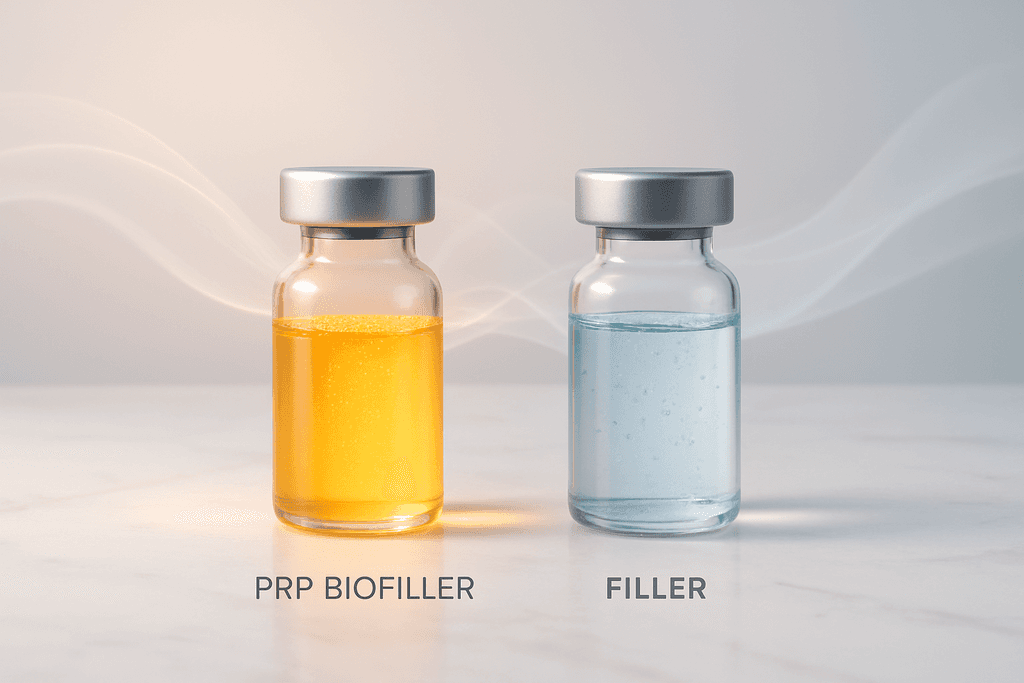
5 Differences Between PRP BioFiller and Fillers

More people are choosing regenerative treatments over traditional cosmetic procedures, with a PRP BioFiller treatment becoming one of the fastest-growing options in aesthetic medicine. If you’re weighing your options between PRP biofiller and standard dermal fillers, you’re probably wondering what actually makes them different beyond the marketing buzz. Understanding these five key differences will help you decide which approach fits your skin goals and lifestyle best.
Table of Contents
- What You’re Actually Putting in Your Face
- Difference 1: What They’re Made From
- Difference 2: How They Work in Your Skin
- Difference 3: Results Timeline and Longevity
- Difference 4: Treatment Experience and Downtime
- Difference 5: Cost and Long-Term Value
- Which Treatment Fits Your Goals
- Making Your Choice With Confidence
- Common Questions About PRP Biofiller vs Fillers
What You’re Actually Putting in Your Face
Your face is pretty important, so knowing what’s going into it matters. When it comes to facial rejuvenation, you’ve got two main paths: traditional dermal fillers and PRP biofiller. They both aim to make your skin look better, but they work in completely different ways. Think of it like this—one adds volume from the outside, while the other tells your body to fix things from the inside. Understanding what each treatment actually is helps you make a smarter choice about what’s right for your skin.
Traditional Dermal Fillers Explained
Dermal fillers are gel-like substances that doctors inject under your skin to add volume and smooth out wrinkles. Most fillers you hear about are made from hyaluronic acid, which is a substance your body already makes naturally. Some other types use calcium hydroxyapatite or other synthetic materials.
Here’s what traditional fillers do:
- Fill in lines and wrinkles by physically adding volrume beneath the skin
- Plump up lips, cheeks, and other areas that have lost fullness
- Work immediately—you see results as soon as the injection is done
- Last anywhere from 6 months to 2 years depending on the type
- Are FDA-approved for specific cosmetic uses
The Wellness Lab offers a full range of dermal fillers to restore facial volume and enhance natural contours. These products have been tested and used for years, so doctors know exactly how they behave.
PRP Biofiller The Regenerative Approach
PRP biofiller takes a totally different approach. Instead of injecting a manufactured product, doctors use your own blood to create the treatment. They draw a small amount of blood, spin it in a special machine called a centrifuge, and separate out the platelet-rich plasma. This plasma is packed with growth factors and healing proteins your body naturally produces.
Here’s how PRP biofiller works differently:
- Uses your own blood components, so there’s no foreign substance
- Triggers your skin to produce new collagen and repair itself
- Takes a few weeks to see full results as your body responds
- Creates natural, gradual improvements that can last longer
- Focuses on regeneration rather than just adding volume
The key difference is that PRP biofiller doesn’t just fill space—it actually tells your skin cells to wake up and start working again. At The Wellness Lab, our PRP BioFiller treatments harness this regenerative power to stimulate natural collagen formation.
Comparing the Basics
| Feature | Traditional Fillers | PRP Biofiller |
|---|---|---|
| Main Ingredient | Hyaluronic acid or synthetic materials | Your own platelet-rich plasma |
| How It Works | Adds volume directly | Stimulates natural repair |
| Results Timeline | Immediate | 2-4 weeks |
| FDA Status | Approved for cosmetic use | Approved for medical use (off-label for aesthetics) |
Both treatments have their place in aesthetic medicine. Traditional fillers give you instant results when you need volume right away. PRP biofiller works with your body’s natural healing to create longer-lasting improvements. Some people even combine both approaches for different areas of their face, depending on what they’re trying to achieve.
Difference 1: What They’re Made From
The biggest difference between PRP biofiller and traditional fillers starts with what’s actually going into your skin. PRP biofiller uses something you already have—your own blood. Specifically, it uses the platelets and growth factors that naturally exist in your bloodstream. Traditional fillers, on the other hand, are made from substances like hyaluronic acid (a sugar molecule found in skin), calcium-based compounds, or synthetic materials like poly-L-lactic acid. The medical term for using your own body’s materials is “autologous,” and it matters more than you might think.

Difference 1: What They’re Made From
When you use something from your own body, your immune system recognizes it as safe. This means the risk of allergic reactions or rejection is extremely low with PRP biofiller. Traditional fillers are generally safe too, but there’s always a small chance your body might react to a foreign substance. At The Wellness Lab, the PRP biofiller process involves drawing a small amount of your blood, spinning it in a centrifuge to concentrate the platelets, and then injecting that concentrated plasma back into treatment areas.
| PRP Biofiller | Traditional Fillers |
|---|---|
| Your own blood platelets and growth factors | Hyaluronic acid, calcium compounds, or synthetic materials |
| Autologous (from your body) | External substances |
| Minimal allergy risk | Small chance of reaction |
Difference 2: How They Work in Your Skin
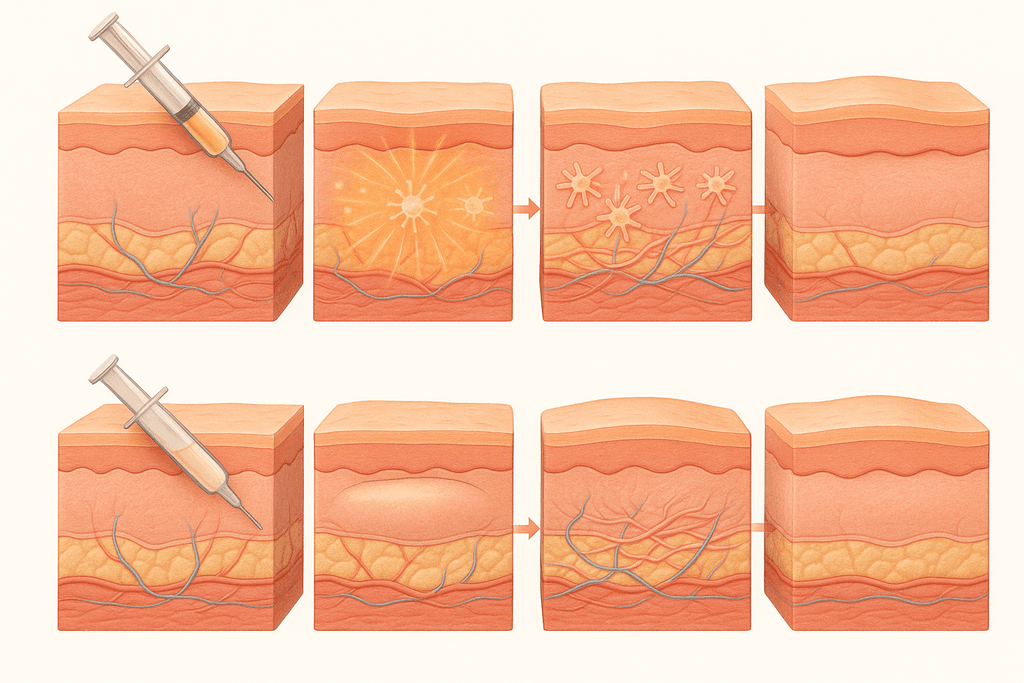
There are amazing skin benefits PRP biofiller can have. When these treatments are in your skin, they work in completely different ways. PRP biofiller doesn’t just sit there—it actually tells your skin to heal and rebuild itself. The growth factors in the platelets trigger your body’s natural repair response, stimulating collagen production and encouraging new tissue formation. It’s like giving your skin a wake-up call to start acting younger again. Traditional fillers take a more direct approach by simply adding volume to areas that have lost fullness over time.
Difference 2: How They Work in Your Skin
Think of it this way: traditional fillers are like stuffing a pillow to make it fuller, while PRP biofiller is like teaching the pillow to fluff itself back up. Both get results, but through very different mechanisms.
- PRP biofiller: Activates cellular regeneration and collagen synthesis
- Traditional fillers: Physically fill space under the skin’s surface
- Growth factors: Proteins that signal cells to repair and regenerate tissue
- Timeline: PRP works gradually as your body responds; fillers work immediately
The approach you choose depends on what you’re trying to fix. If you want to address overall skin quality, texture, and long-term rejuvenation, PRP biofiller makes more sense. If you need to restore volume to specific areas like lips or cheeks right away, traditional fillers might be the better fit.
Difference 3: Results Timeline and Longevity
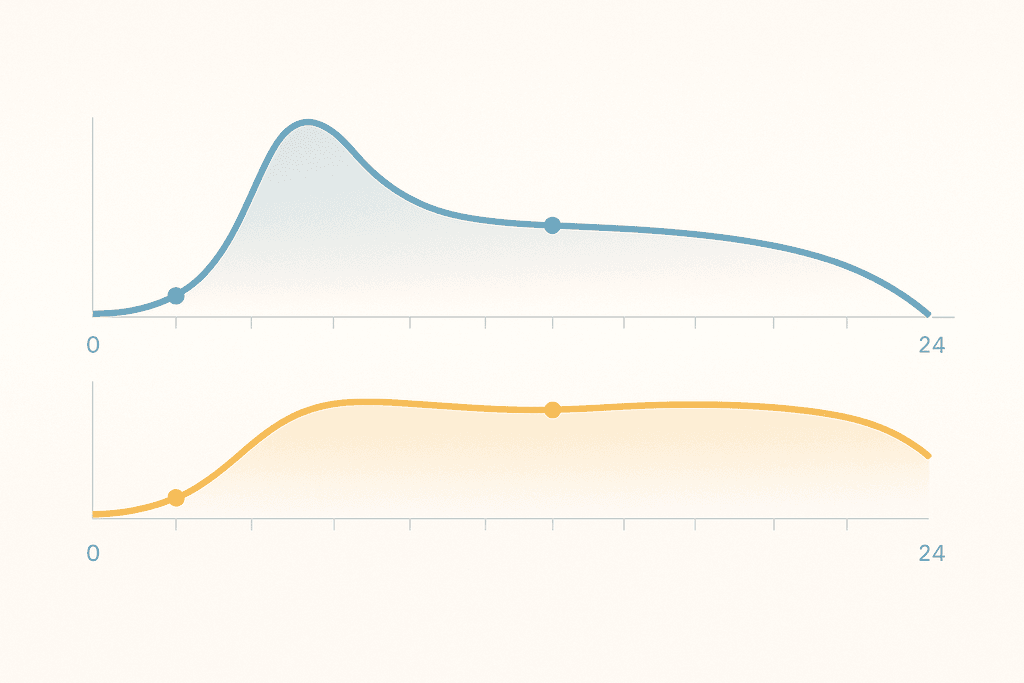
Here’s where things get interesting. When you get traditional fillers, you walk out of the appointment with immediate results. You can see the difference right away, though there might be some swelling at first. Those results typically last anywhere from six to eighteen months, depending on the type of filler and where it’s placed. Then the filler gradually breaks down and gets absorbed by your body, and you’re back where you started.
Difference 3: Results Timeline and Longevity
PRP biofiller works on a different schedule. You won’t see the full results for about two to three months because your body needs time to build new collagen and regenerate tissue. But here’s the payoff—those results can last twelve to twenty-four months or even longer because you’ve actually created new tissue, not just added temporary volume.
The difference in how long results last comes down to what’s actually happening in your skin. Traditional fillers fade as the material breaks down. PRP biofiller results improve over the first few months as collagen builds, then gradually soften over time as natural aging continues. Many people find they need fewer touch-ups with PRP biofiller compared to the regular maintenance schedule required for traditional fillers.
Difference 4: Treatment Experience and Downtime
The actual treatment experience is pretty different for these two options. With traditional fillers, you come in, get numbing cream applied, and then receive injections in the treatment areas. The whole appointment usually takes thirty to sixty minutes. PRP biofiller requires an extra step—first, a small blood draw (similar to getting lab work done), then processing that blood in a centrifuge, and finally the injection process. This means the appointment takes a bit longer, usually around sixty to ninety minutes total.
Both treatments can cause some bruising, swelling, and redness, but the severity varies from person to person. Traditional fillers might cause more immediate swelling since you’re adding volume right away. PRP biofiller tends to have milder initial swelling but can cause some redness for a few days as your skin responds to the growth factors.
| Aspect | PRP Biofiller | Traditional Fillers |
|---|---|---|
| Appointment time | 60-90 minutes | 30-60 minutes |
| Steps involved | Blood draw, processing, injection | Numbing, injection |
| Typical downtime | 2-3 days mild redness | 1-2 days swelling/bruising |
Most people can return to normal activities the same day with either treatment, though you might want to avoid intense exercise for twenty-four hours. At The Wellness Lab, comfort is a priority, so numbing options are available for both treatments to minimize any discomfort during the injection process.
Difference 5: Cost and Long-Term Value
Let’s talk about the financial side, because this is where the math gets interesting. PRP biofiller typically costs more upfront than traditional fillers. A single PRP biofiller treatment might run anywhere from $800 to $1,500 or more, depending on the treatment area and amount needed. Traditional fillers usually cost between $600 and $1,200 per syringe. At first glance, traditional fillers seem like the more affordable option.
But here’s what changes the equation: how long the results last and how often you need touch-ups. If traditional fillers last nine months and PRP biofiller lasts eighteen months, you’re getting twice the longevity for maybe 30-40% more cost. Over a two or three year period, the cost-per-month can actually be lower with PRP biofiller.
- Traditional filler: $800 every 9 months = $1,067 per year
- PRP biofiller: $1,200 every 18 months = $800 per year
- Over 3 years: Traditional fillers = $3,200 vs PRP biofiller = $2,400
The regenerative nature of PRP biofiller means you’re investing in actual tissue improvement, not just temporary volume. Some people find they need less product over time as their skin quality improves. The Wellness Lab offers a membership program that provides up to 40% off services, which can make regular treatments more affordable and help you maintain results without breaking the bank. Neither treatment is typically covered by insurance since they’re considered cosmetic, but many practices offer payment plans to make treatments more accessible.
Which Treatment Fits Your Goals
Choosing between PRP biofiller and traditional fillers isn’t about picking the “better” option. It’s about matching the treatment to what you actually want from your skin. Some people walk into a clinic wanting to see results before they leave, while others are playing the long game with their skin health. Your age, current skin condition, and how you feel about using synthetic materials all play a role in which path makes sense for you.
PRP biofiller works best for people who want their skin to do the heavy lifting. If you’re in your 30s or 40s and starting to see early volume loss, this approach gives your body the tools to rebuild from within. It’s also ideal if you prefer treatments that use your own biology rather than manufactured products.
Ideal Candidates for PRP Biofiller
- People seeking gradual, natural-looking improvements over several months
- Those with mild to moderate volume loss who want to prevent further aging
- Clients interested in skin quality improvement alongside subtle volume enhancement
- Anyone preferring treatments using their own biological materials
Traditional fillers make more sense when you need visible changes right away. Maybe you have a wedding coming up or deep lines that bother you every time you look in the mirror. Hyaluronic acid fillers deliver that instant gratification that PRP biofiller simply can’t match.
Ideal Candidates for Traditional Fillers
- People wanting immediate, dramatic results for specific areas like lips or cheeks
- Those with significant volume loss or deep wrinkles needing more correction
- Clients preparing for events who need predictable, fast outcomes
- Anyone comfortable with synthetic but safe, FDA-approved materials
Here’s something most people don’t realize: you don’t have to choose just one. At The Wellness Lab, we often combine both approaches strategically. You might use traditional fillers for areas needing immediate structure, then add PRP biofiller to improve overall skin quality and extend your results.
Common Misconceptions to Ignore
- PRP biofiller isn’t just “watered down” filler—it works through completely different biological mechanisms
- Traditional fillers don’t look fake when done by experienced providers who understand facial anatomy
- Neither option is permanent, but both require different maintenance schedules
The real answer comes down to sitting with someone who knows both treatments inside and out. A consultation helps you understand what’s realistic for your specific face, timeline, and budget. What works for your friend might not match what your skin actually needs right now.
Making Your Choice With Confidence
So let’s break it down one more time. Traditional fillers give you instant volume and last longer, but they’re synthetic products sitting under your skin. PRP biofiller uses your own blood to trigger natural collagen growth, which means results that develop over time and look completely natural. Fillers work great for specific areas like lips and cheeks, while PRP biofiller improves overall skin quality across larger areas. The cost difference matters too, with fillers usually cheaper upfront but PRP biofiller potentially saving money long-term since you’re building your own collagen.
Neither option is better or worse. It really depends on what you’re trying to fix and how patient you are with results.
The most important part is finding someone who actually knows what they’re doing. A skilled practitioner can look at your face, listen to your goals, and tell you honestly which approach makes sense. At The Wellness Lab, our PRP biofiller treatments are customized to each person because everyone’s skin is different.
If you’re still not sure which direction to go, that’s completely normal. Most people need to talk through their options with someone who can see their skin in person and explain what’s realistic. Booking a consultation gives you a chance to ask questions without any pressure to decide right away.
You might have more questions about how these treatments actually work in real life, which is why we’ve put together some answers to the most common things people ask.
Common Questions About PRP Biofiller vs Fillers
Choosing between PRP biofiller and traditional fillers brings up a lot of questions. Both treatments work differently and offer unique benefits, so it makes sense to want clear answers before deciding. Here are the most common questions we hear from clients considering these options.
Can you use PRP biofiller and traditional fillers together?
Yes, many people combine both treatments for better results. Traditional fillers can add immediate volume to specific areas like lips or cheeks, while PRP biofiller works over time to improve overall skin quality and stimulate natural collagen. At The Wellness Lab, our team can create a personalized plan that uses both approaches if that fits your goals.
Is PRP biofiller painful compared to regular fillers?
The discomfort level is pretty similar for both treatments. PRP biofiller involves drawing a small amount of blood and then injecting the processed plasma into treatment areas, which feels like any other injectable. Most people describe it as a slight pinch or pressure, and numbing cream can be applied beforehand to make things more comfortable.
How many PRP biofiller treatments do you need?
Most people see the best results with a series of two to three treatments spaced about four to six weeks apart. Unlike traditional fillers that work immediately, PRP biofiller builds results gradually as your body produces new collagen. After the initial series, maintenance treatments every six to twelve months help keep your results looking fresh.
Are PRP biofiller results really natural-looking?
PRP biofiller tends to look extremely natural because it uses your own plasma to trigger your body’s healing response. You won’t get the dramatic volume change that fillers provide, but you will see improvements in skin texture, tone, and subtle volume over time. The results develop slowly, so there’s no sudden change that might look obvious to others.
Which treatment is safer long-term?
Both treatments have excellent safety profiles when performed by trained professionals. PRP biofiller uses your own blood, which eliminates the risk of allergic reactions or rejection. Traditional fillers are also very safe, though they do introduce synthetic or naturally derived substances into your body. The choice often comes down to your personal preference and treatment goals rather than safety concerns.
Does insurance cover either treatment?
Insurance typically doesn’t cover either PRP biofiller or traditional fillers since they’re considered cosmetic procedures. However, The Wellness Lab offers an IV Membership Club that provides up to 40% off services, making ongoing treatments more affordable. Payment plans or package pricing may also be available depending on your treatment plan.
Related Posts